
Art and Beyond
Bringing creativity into play sessions!
What is Creative Arts in Therapy?
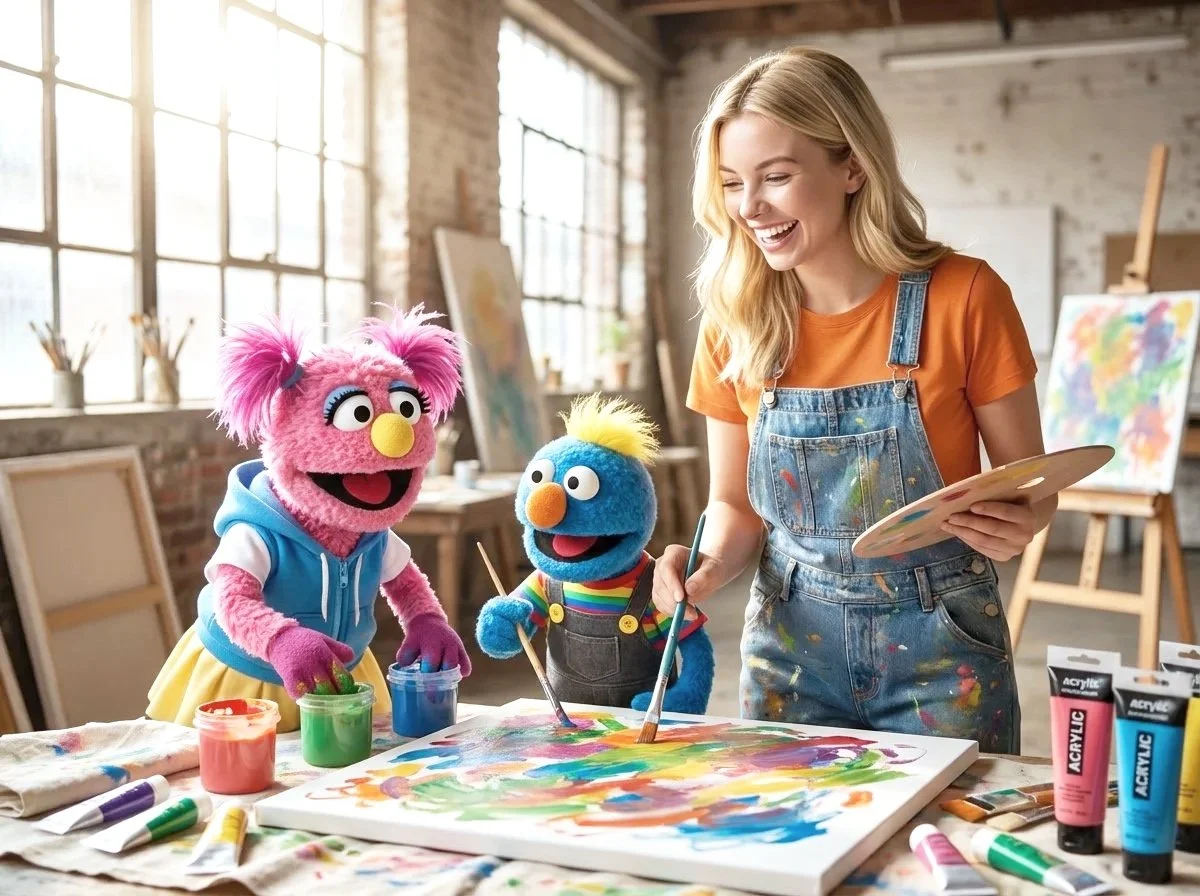
Creative arts sessions provide a safe and nurturing space where children and teens can freely explore their emotions, imagination, and identity through creative expression. These sessions use a variety of art-based materials and activities - such as drawing, painting, collage, sculpture, sensory exploration, and storytelling - to support each child’s unique way of communicating.
The focus is not on the end product, but on the process of creating. Children are never judged or expected to produce “perfect” work. Instead, they are encouraged to express themselves authentically and at their own pace. The act of creating becomes a therapeutic tool that helps children feel heard, valued, and empowered - especially when words are difficult to find.
Creative arts sessions are designed to honour children’s individuality and foster a sense of safety, creativity, and connection within a supportive and developmentally appropriate environment.
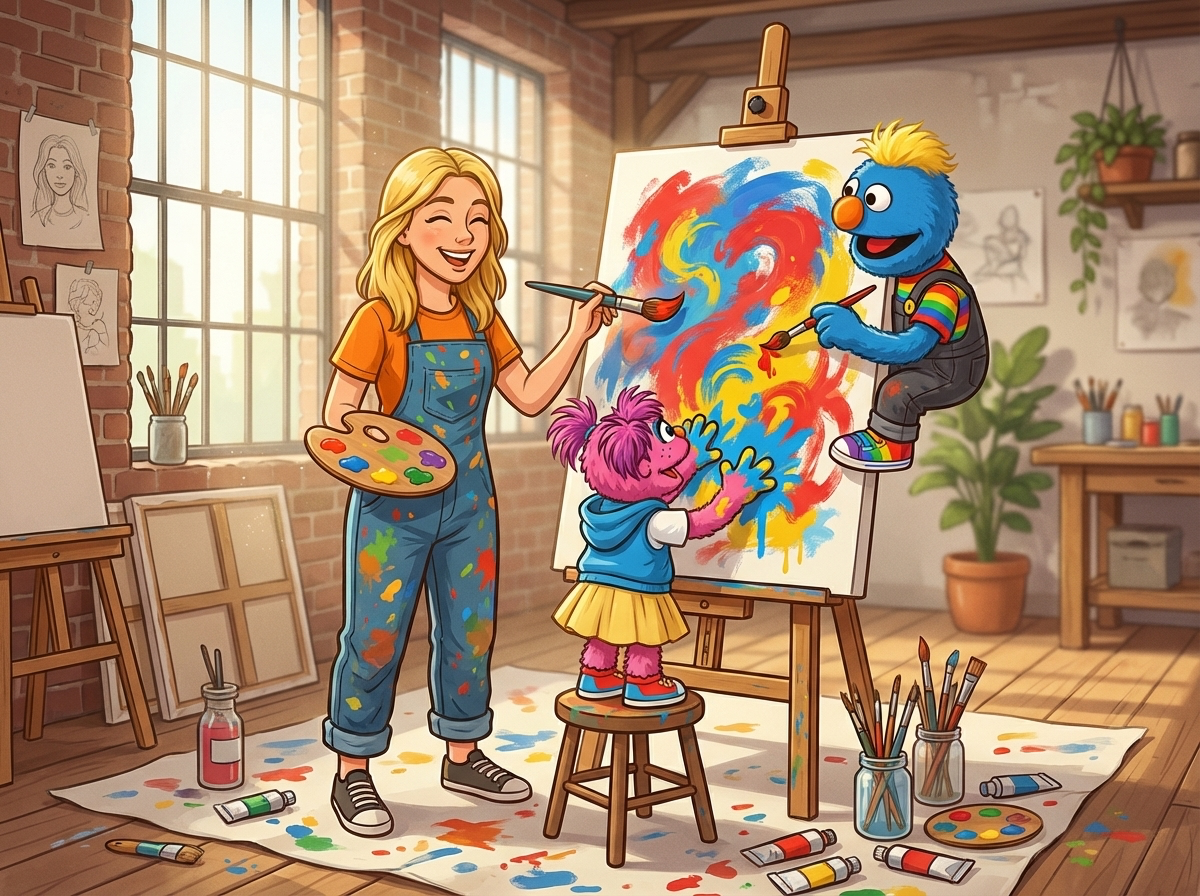
Incorporating creative arts into sessions allows children and teens to process experiences and emotions in a way that feels natural, engaging, and non-confrontational. The act of creating helps to regulate the nervous system, calm anxious thoughts, and support emotional release - all without needing to verbalise difficult feelings.
Benefits include:
✦ A non-verbal outlet for big feelings - children can express things they may not yet be ready or able to talk about
✦ Development of emotional regulation - repetitive and creative activities such as colouring, painting and creating can help calm the body and mind
✦ Support for cognitive development - problem-solving, sequencing and creative thinking activities can strengthen thinking and learning skills
✦ Therapeutic distance - creative activities can help children explore difficult experiences from a safer emotional distance, supporting reflection and understanding
✦ Strengthening self-esteem and identity - creating and completing artwork can help children feel capable, seen and proud of their efforts
✦ Enhancing sensory processing and fine motor skills - creative materials provide rich sensory experiences that may support exploration, regulation and development
Creative arts sessions are particularly effective because they meet children where they’re at developmentally, giving them tools to grow in confidence, connection, and emotional resilience.
How Are Creative Arts Used in Sessions?
Who benefits from using creative arts?
Creative arts sessions can support a wide range of children and young people, particularly those who:
✦ Experience difficulty expressing themselves verbally
✦ Are navigating emotional or behavioural challenges
✦ Have experienced trauma, grief or significant change
✦ Are neurodivergent, including children with autism, ADHD or sensory processing differences
✦ Experience anxiety, low confidence or self-esteem difficulties
✦ Benefit from hands-on, sensory-based learning and expression
✦ Are developing skills in emotional regulation, communication or social connection
These sessions are adaptable and child-led, making them suitable for both NDIS and privately funded clients, and are designed to meet each child's developmental and emotional needs in a safe, creative, and respectful space.
Important Information
Play and Beyond provides Therapeutic Creative Arts sessions facilitated by Bella, a qualified Art Therapy Practitioner.
While these sessions incorporate therapeutic creative arts approaches to support children's emotional wellbeing, self-expression and development, they are not provided as registered Art Therapy.
Bella is not a Registered Art Therapist. Registered Art Therapists have completed an ANZACATA-recognised qualification and met the requirements for professional registration.